Why Operational Growth Can Outpace Financial Clarity in Scaling Landscaping Firms
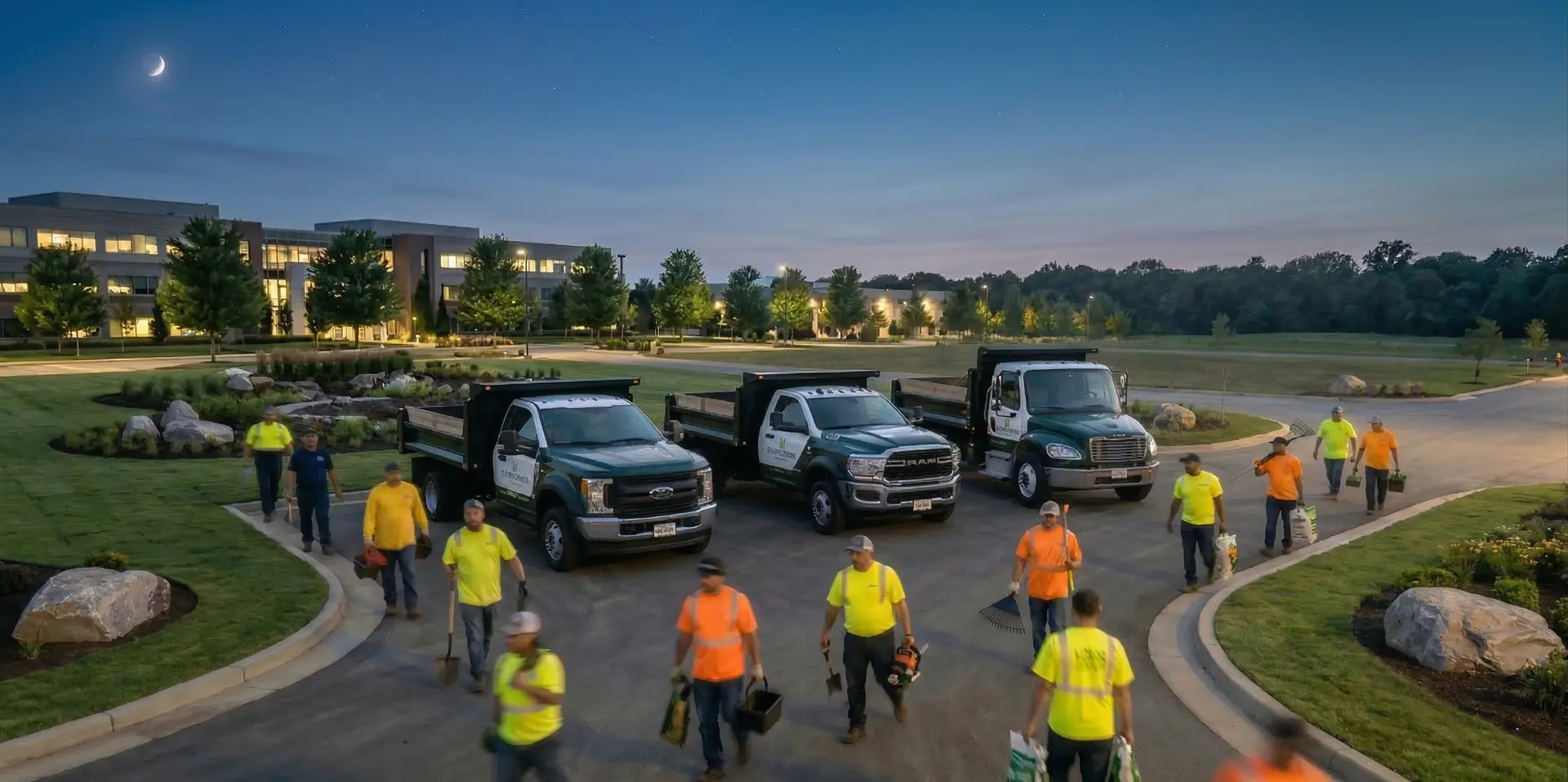
As a landscaping business grows, including adding crews, trucks, and service routes, you might be surprised to find your financial reports lagging behind reality: crews are busy in the field, but their hard work might not seem well reflected on financial reports at the back office in real time. Most of the time, the real cause was due to no real-time entry of timesheets, material usage, and equipment usage. When that happens, your office team ends up piecing together labor hours, fuel, and material costs from a patchwork of spreadsheets and separate apps.
As business consultants, we often see this in landscaping companies: field crews are working hard, but the financial story of each contract remains hidden until someone does manual reconciliation, which could be a week or a month later. If you’re spending hours every week sorting through job tickets/work orders with crew members’ hand-writing notes just to figure out if a maintenance contract was profitable, that’s a red flag that your systems aren’t keeping up with your growth.
The Field-to-Finance Disconnect
This visibility gap usually shows up in a few keyways:
- Untracked or Misallocated Labor: Crews often work on several properties or tasks in one day. Using paper timesheets or disconnected apps can leave you guessing actual hours per job. For instance, if travel time between jobs isn’t logged correctly, you undercharge one route and overcharge another. Over a season, small misallocations like this add up and hide the true labor cost of each contract.
- Hidden Material Usage: Trucks are constantly loaded and unloaded with mulch, plants, irrigation parts, and more. If crews don’t log material usage immediately, your team has to wait for month-end counts to reconcile costs. This makes it hard to track real-time margins, especially on installation projects where material needs are unpredictable and changes always surprise crew members at the job sites.
- Reconciliation Backlog: When your scheduling or field apps don’t integrate with accounting, your finance team ends up with a backlog of reconciliation work. Every invoice waits on someone to check time sheets, adjust entries, matching purchase orders, pictures taken at jobsite, and quality sign-offs by team leads. This slows down billing and delays the point when you finally know if a job was profitable.
If these issues sound familiar, your growing operation might be suffering from a process bottleneck.
How a Unified System Helps
Many landscaping firms try to fix this by adding standalone scheduling software or apps. However, if those tools still live in silos, the fundamental problem remains. The real solution is an integrated ERP (Enterprise Resource Planning) system built for field service businesses.
With a unified system, taking a specialized ERP like Odoo for Field Services as an example, your field and financial operations live in the same software platform. Then you will see something different and cool:
- Real-Time Margin Tracking: Labor, materials, and equipment usage all flow into the same system as your general ledger. When crews log hours and expenses on site, that data automatically updates job costing. You can see each contract’s profitability real time as it happens, not after months of number-crunching.
- Streamlined and Standardized Processes: The built-in workflows and automations can make sure that every site inspection, safety check, photo upload, or upsell opportunity is recorded in the same consistent way. This consistency cuts down errors and reduces reliance on any one person’s “travel knowledge.” In addition, with the standard operating procedures (SOP) documents built hand in hand with the system implementation, your business is set up for any new hire onboarding, seasonal team member onboarding, and will be valued much higher if you eventually want to work on an exit plan.
- Faster Billing Cycles: When a crew marks a job complete in the system, you can trigger quality review and invoicing immediately. This significantly reduces the lags between work and payment, improving cash flow and helping you spot any cost overruns and get them addressed while they’re still fresh.

Together, these improvements turn your software into a growth enabler instead of a bottleneck.
Key Questions to Ask
Is your current infrastructure supporting growth or quietly holding you back? Consider these questions:
- Can you reconcile labor hours with billable revenue today for less than 1-hour and without heavy reliance on spreadsheets?
- Do your operations managers and your accounting teamwork from the same set of numbers when discussing route profitability?
- Are travel time, equipment uses, and overhead applied the same way across all your jobs?
If any of the answers are “no” (or not easily), those are red flags and gaps. Such gaps, especially for a growing company in the $5M–$50M range, can quietly eat into your profit margins and blind decision makers from making clear, insightful, and timely decisions.
Get your Odoo Implementation Checklist Here
Aligning Your Systems for Growth
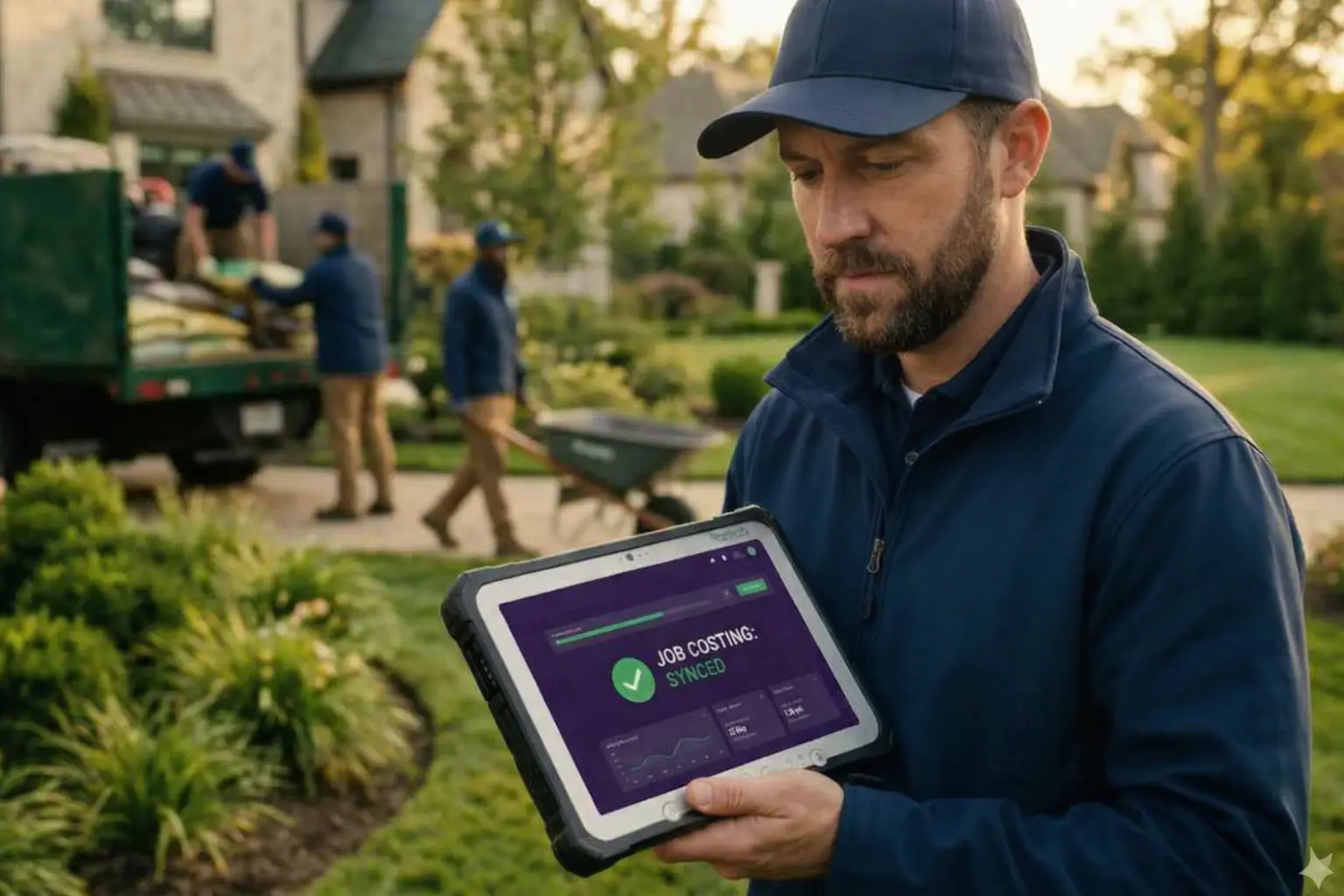
At InSphere Consulting, we believe a landscaping company’s software should mirror reality. Our white-glove approach makes sure your ERP setup reflects how your crews actually work, so your financial reporting always matches the field, real time.
If you’re ready to turn your ERP into a reliable partner for growth, let’s talk. Contact us today to [Schedule a System Health Check] and get the clarity you need to move forward with confidence.
[Schedule a System Health Check with InSphere Consulting]